Entwined Aesthetics: Exploring the Art of Rope Installations in Restaurant Design
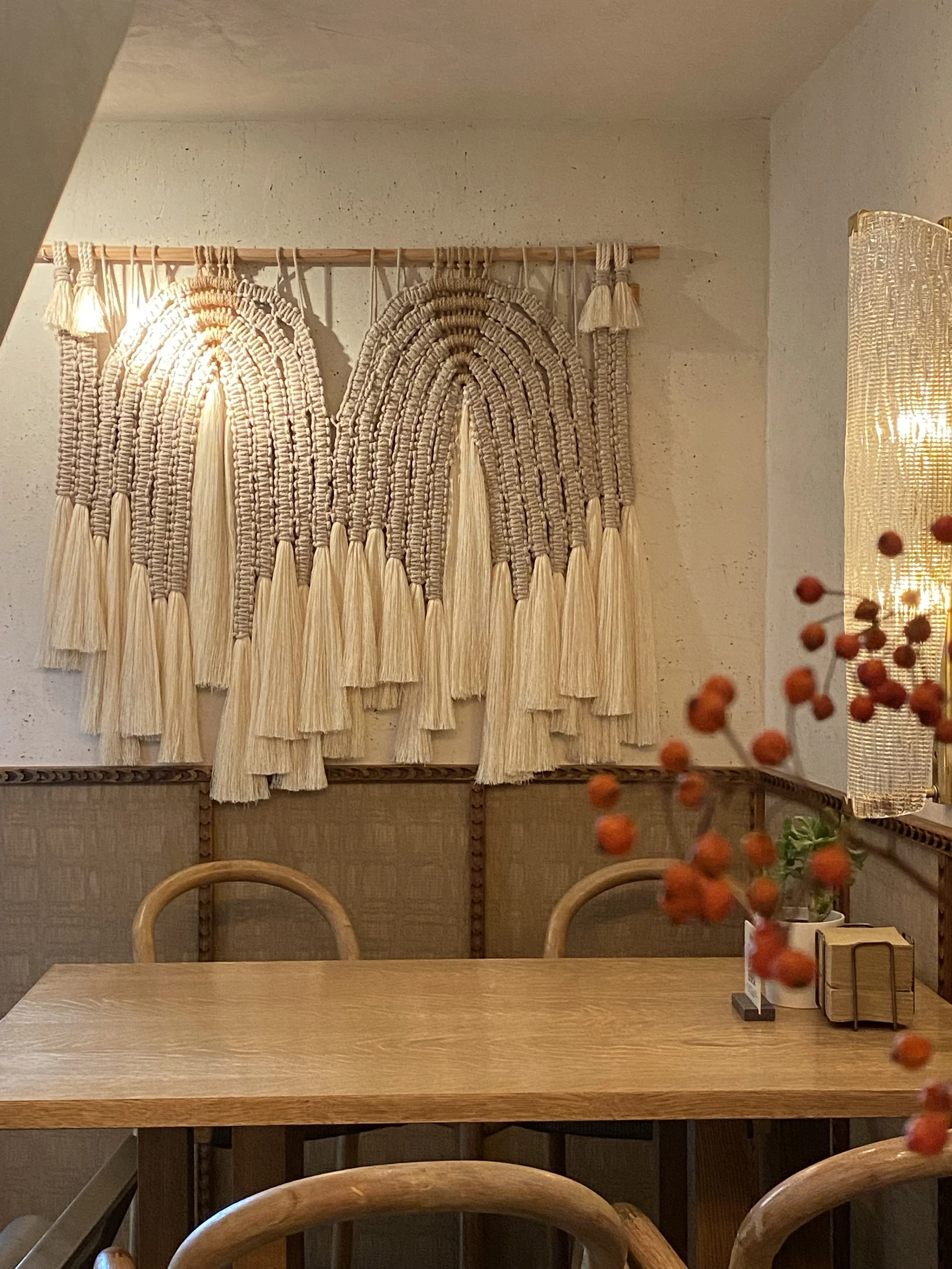
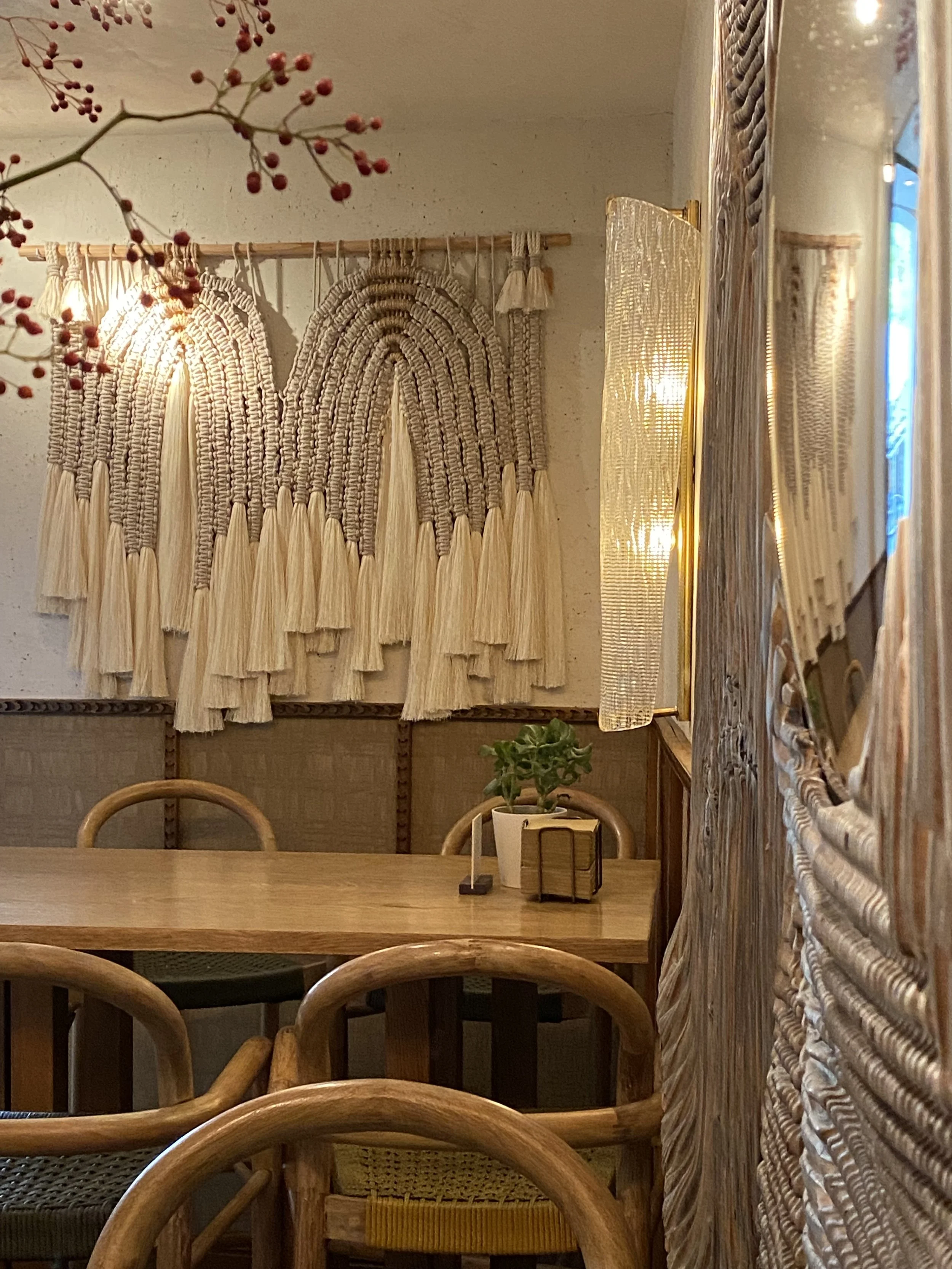
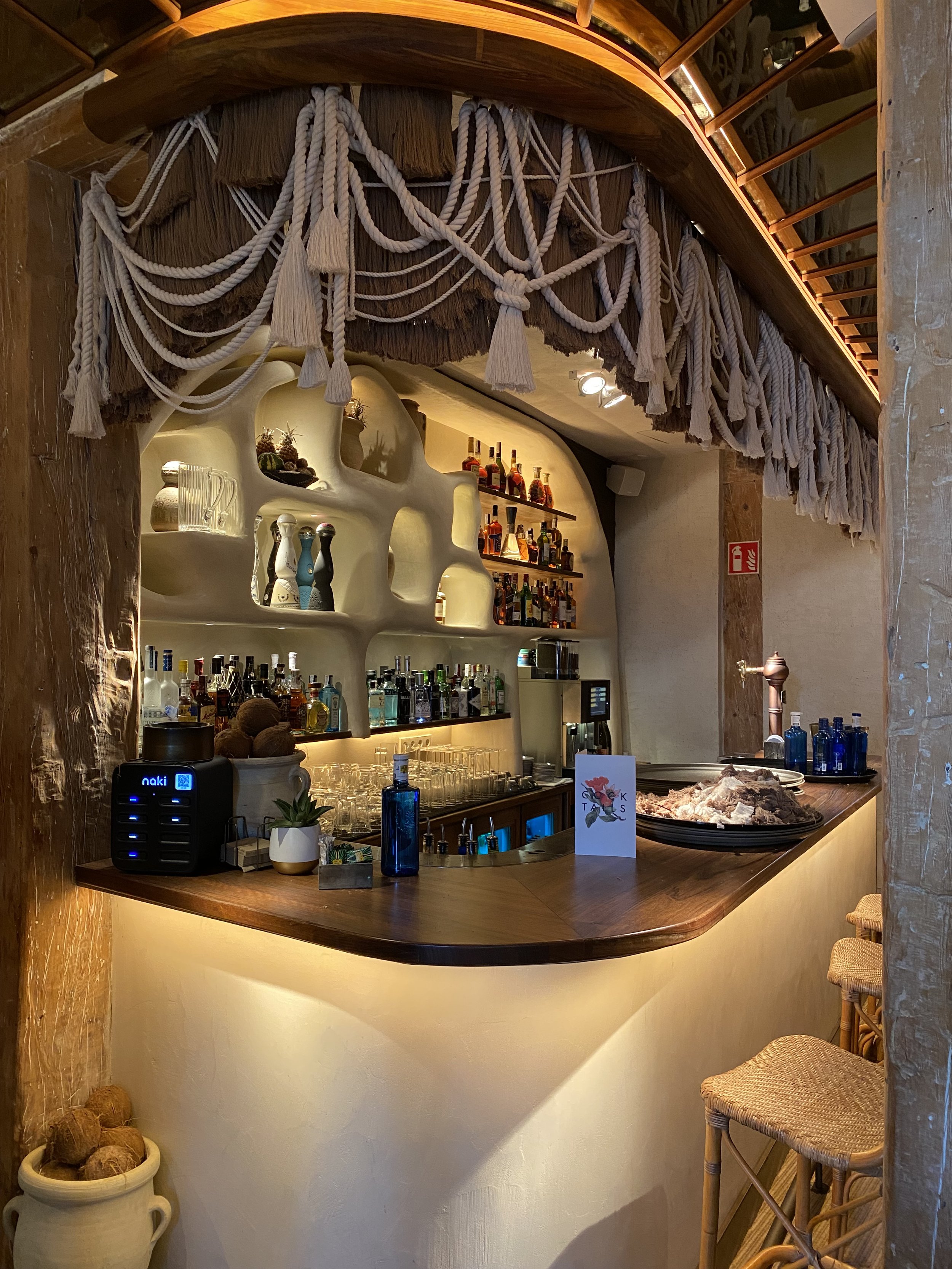
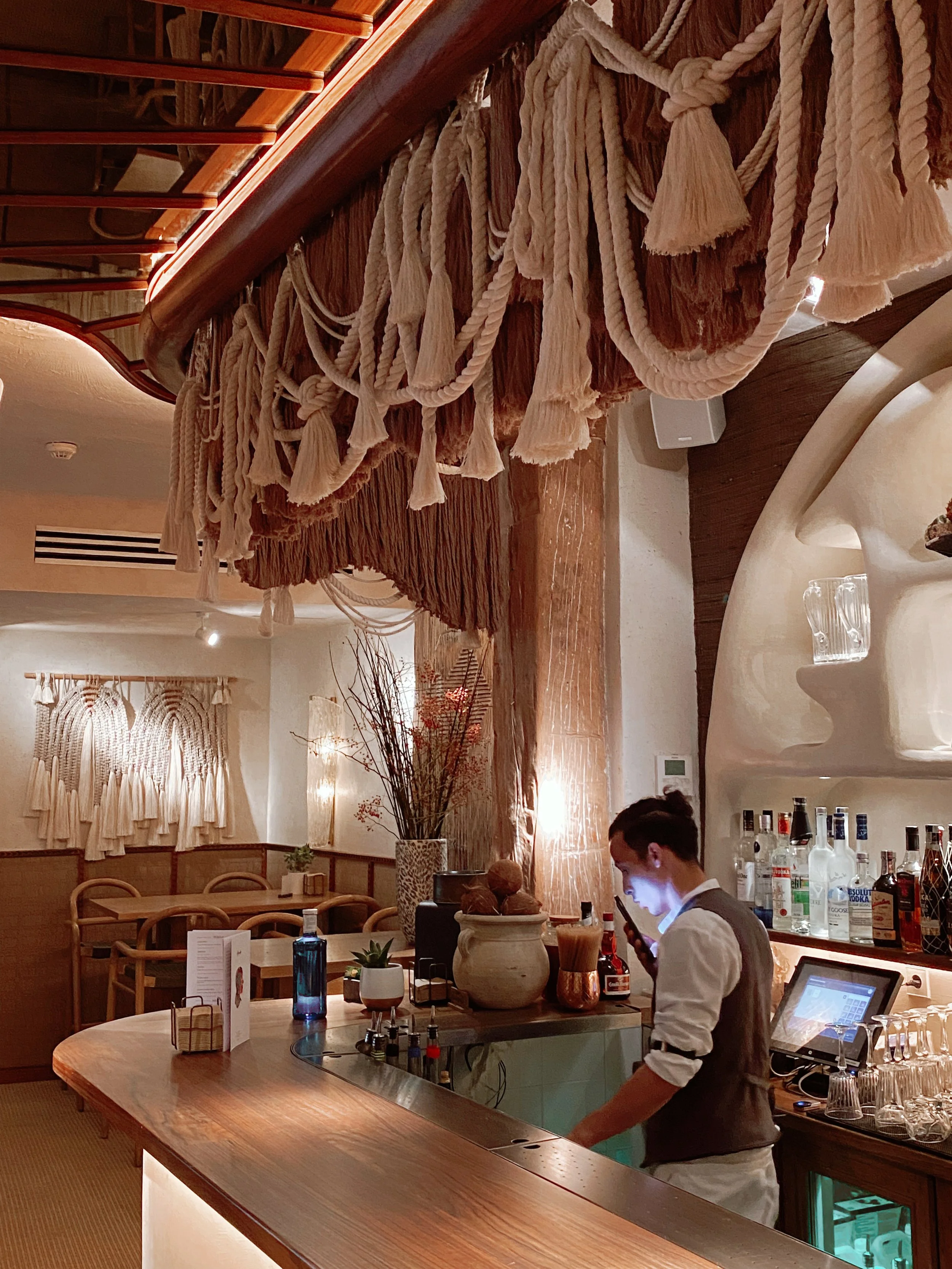
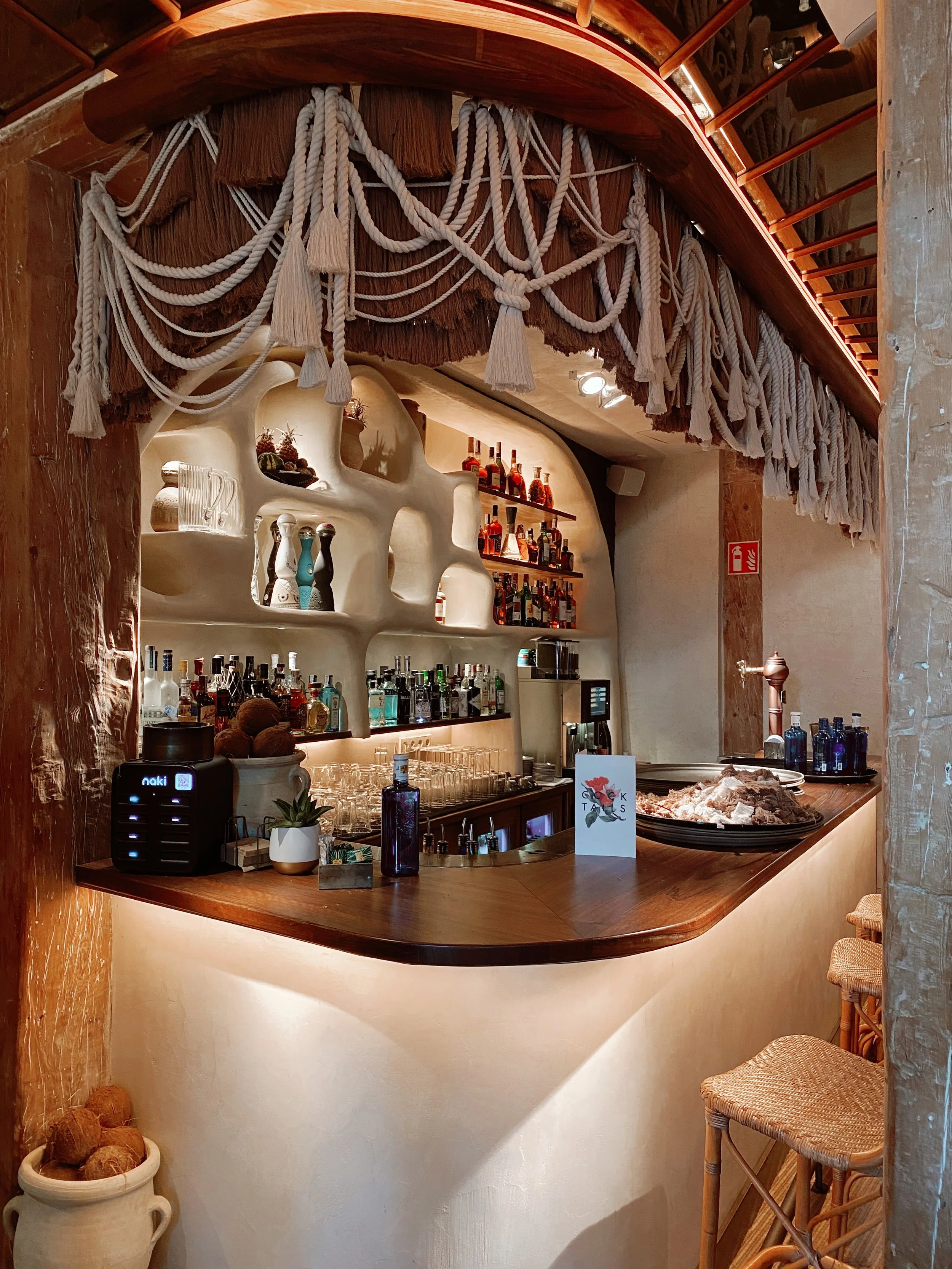
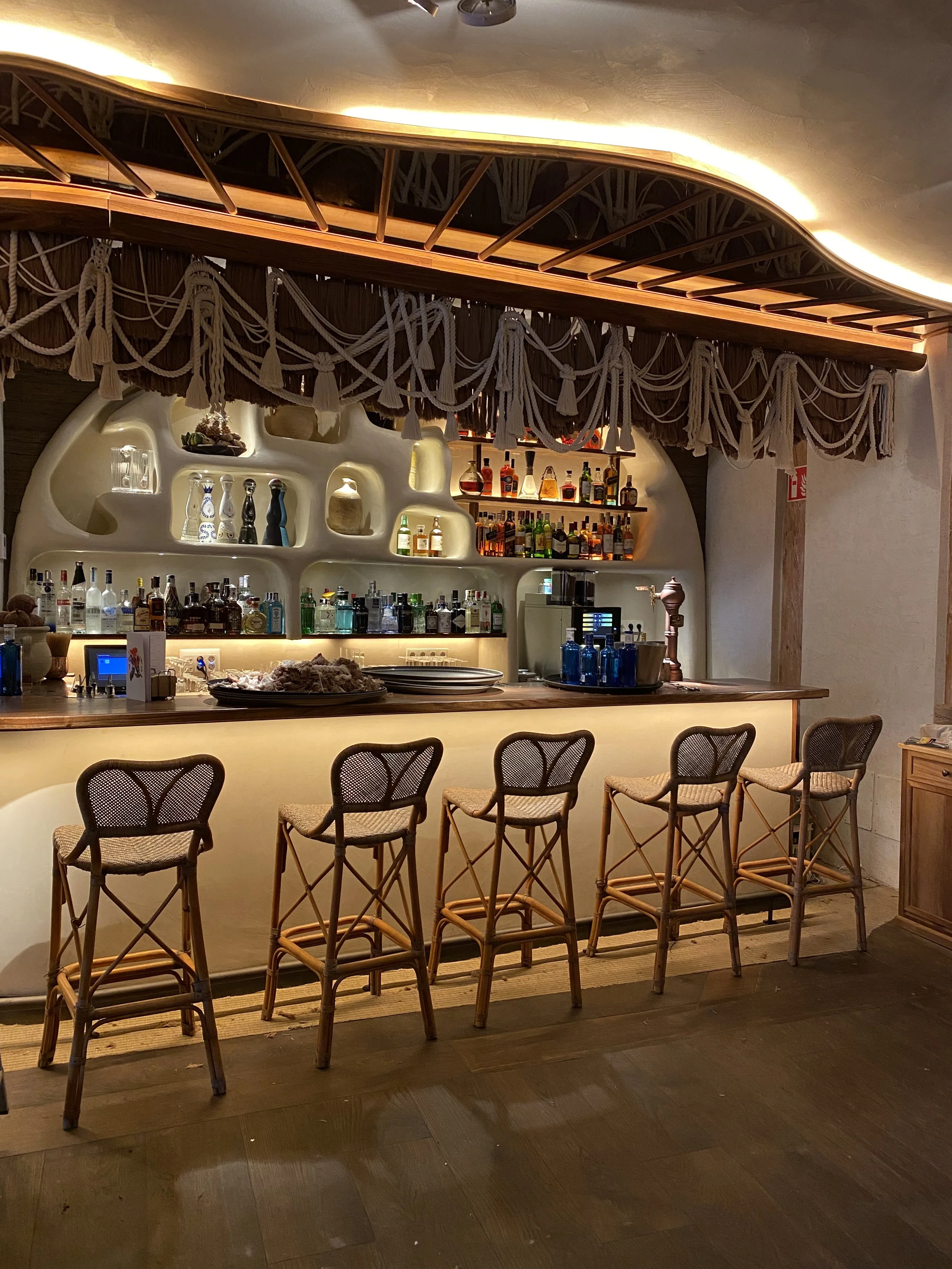
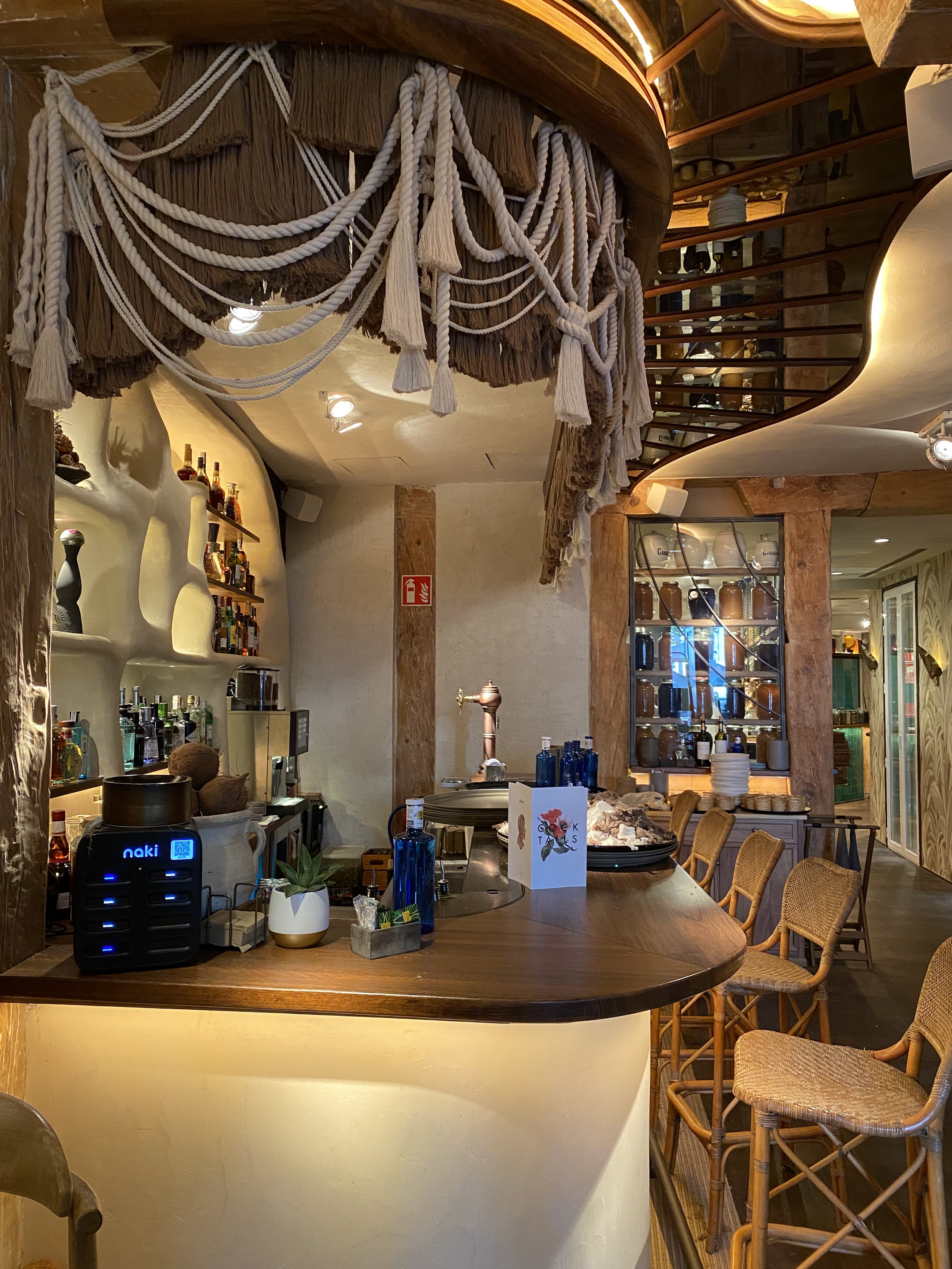
Rope installation at Aarde Restaurant , Madrid, Spain
Aesthetic Appeal and Ambiance
Rope installations in restaurants serve not just as functional design elements but also as striking focal points that enhance the overall aesthetic of the space. By utilizing various materials and colors, these installations can evoke different moods, from rustic and cozy to modern and chic. For instance, woven rope can create soft, organic lines that soften harsh decor, while bold, colorful rope installations can inject vibrancy and energy into a more subdued environment. The visual impact of these designs often transforms a simple dining setting into an immersive experience, inviting guests to linger a little longer.
Functional Design and Space Definition
Beyond their decorative appeal, rope installations can also functionally define spaces within a restaurant. They can be used to create intimate dining areas, separate seating sections, or guide patrons through larger spaces. For example, a series of vertical rope dividers can provide a sense of privacy without fully enclosing the area, striking a balance between openness and intimacy. This versatility makes rope installations a popular choice among designers who seek to maximize space efficiency while maintaining a stylish look.
Sustainability and Natural Materials
In an era where sustainability is increasingly prioritized, rope installations offer a chance for restaurants to incorporate eco-friendly elements into their design. Many installations use natural fibers, reducing the reliance on synthetic materials and promoting a connection to the environment. These installations can highlight the restaurant's commitment to sustainability while also adding a textural depth to the decor. Furthermore, incorporating locally sourced ropes or upcycled materials not only enhances the aesthetic value but also supports local artisans and fosters a sense of community, making these installations as meaningful as they are beautiful.